
Five GP practices have secured substantial reductions to their NHS Property Services (NHSPS) service charge claims, ranging from £25,000 to more than £400,000, after legal action led by the BMA.

Five GP practices have secured substantial reductions to their NHS Property Services (NHSPS) service charge claims, ranging from £25,000 to more than £400,000, after legal action led by the BMA.
As you may be aware, GP Surveyors and BW Healthcare Surveyors have been engaged in litigation in the High Court. We are pleased to say that the parties have resolved their differences and brought those proceedings to an end by way of payment to GP Surveyors. The parties are now looking forward to moving on and re-focusing their efforts on their respective businesses.

Does letting space to third party occupants in GP premises affect the practice’s rent reimbursement?
This is a frequently asked question, especially in the present climate when practices are being asked to provide a wider variety of services. The short answer is yes. Whether the effect is financially positive or negative depends upon many factors.
Any agreement with a third-party occupant will more often than not affect a practice’s Notional Rent reimbursement and should be carefully planned before being agreed upon. If thoroughly planned and correctly assessed the surgery can ensure a third-party occupant is beneficial to their total rental income or at the very least not detrimental. Seeking advice from a specialist healthcare surveyor would be prudent when making this assessment.
During GP Surveyors’ 25 years in the primary care property sector, we have unfortunately come across numerous instances of practices not seeking guidance. Agreements for third parties to use space have been formalised, only for the practice to discover the detrimental effect on their rental reimbursement when it is too late.
As a rule of thumb, if a room is exclusively used by a third party the space is likely to be completely removed from your Notional Rent reimbursement. If additional patients are brought into the practice by the third party and they are using the practices facilities (WC’s, reception, waiting areas, etc) this could also reduce the practices rent reimbursement. In this scenario, the District Valuer (DV) may discount these shared areas and remove a proportion of car parking spaces from your Notional Rent figure.
When considering a third-party occupant in a GP practice two fundamental rules should always be followed. One, their occupation should always be formalised in writing. Two, the third party’s presence should not harm the overall rent the practice receives. The practice should ensure they receive the same or a higher rent, paid under a Lease with a third party, than the Notional Rent that will be deducted for the let space. Please note any rental figure agreed will also depend upon the Lease and the terms agreed, including the rent review pattern.
To understand what basis a third party’s rent should be set at, first, we need to examine how a practices Notional Rent reimbursement is calculated. A practices Notional Rent is assessed on a rate per square meter, usually by the District Valuer, and is their opinion of the Current Market Rent (CMR) of the space used for NHS approved Medical Services. The amount paid by the NHS to the practice reflects what the property would let for between a landlord (owner) and tenant (occupier) based on a 15-year lease, with internal repairing obligations and three yearly rent reviews.
The rights and obligations of Landlords and Tenants should always be formalised in writing before a third party occupying the premises. This protects the rights of both parties and in the event of a dispute means issues can be resolved more efficiently, saving time, money, and professional relationships.
The type of agreement the Practice chooses is also important, it is highly advisable to seek advice from a specialist primary care solicitor in the first instance.
A Licence is permission for a third party to use the GP premises, with non-exclusive possession rights. This is a personal arrangement between the practice and a third party. A Licence is usually used for a short term let of less than 6 months.
A tenancy arrangement where occupation is regularised but can be terminated at any time by either party. This is a personal agreement between the Landlord and Tenant, usually for a short period of time.
A Lease grants an exclusive right to occupy the premises for a predefined period, usually longer than 6 months. The Tenant has sole use of the area stipulated in the Lease. A Landlord is certain of their income and the Tenant certain of occupation, which may extend to a right to a new Lease at the end of the term.
If a Practice agrees to Lease terms with a third party that are different from those assumed under the Notional Rent reimbursement scheme (stated above), this could affect the rate per square metre and therefore overall rent for the let space. Different terms that need to be considered include the term, rent review pattern, and break clauses.
Practices also need to consider whether a third-party is going to use the practices facilities and or car parking spaces before formalising any agreement. If this is the case, it needs to be factored in via a service charge stipulated in any agreement or a higher rent.
The time a room is occupied, and the number of separate occupants also needs to be taken into consideration. When a third party occupies a room exclusively the arrangement is usually very straightforward. The space will not be reimbursed under the Notional Rent scheme, and it would be advisable to put a Lease in place, with consideration given to whether the third party utilises any facilities and or car parking.
However, if the use of the space is on a part-time or random basis this is more difficult to assess. For instance, if the practice uses a room for the majority of the time and a third party uses the space part-time, this may not affect the Notional Rent. If a room is utilised by multiple third parties, then this space may be completely removed from the practices Notional Rent.
In these two scenarios, a Licence or Tenancy at Will could be advisable to formalising the agreement. We would however recommend a service charge agreement being put in place to cover the cost of the building services.
Before putting a written agreement in place whether that is a Lease, Licence, or Tenancy at Will you should always consult a specialist primary care Surveyor and Solicitor for advice.
Before proceeding with any third-party, practices should be aware that if rooms are removed from Notional Rent reimbursement it may be problematic to have the space reinstated. NHS England may deem that the practice no longer requires the space within the premises for GMS purposes. Therefore, if a third party vacates there could be a period when the rooms are empty and not generating income. In this instance, the practice must put forward a business case to NHS England explaining why the rooms should be reincluded in their Notional Rent reimbursement.
Although some of the issues we have covered may seem daunting there is no need to be dissuaded from a third-party occupation of practice premises. With the right planning and specialist consultation, a practice can ensure they utilise space to provide additional patient services and benefit financially.
If your practice is considering taking on a third-party occupier GP Surveyors can advise you on how to ensure your plans are financially viable. Your practice can begin to provide additional services, free from the worry of a reduction in overall rent or being subject to NHS clawbacks of Notional Rent.
If you currently have third party occupants in your GP premises, then speak to our team before you submit your CMR1 form. We will be able to advise you how to accurately fill in your income from third parties and reduce the chance of any undue Notional Rent deductions or clawbacks being made.
If you have already submitted your CMR1 form and have received a proposed Notional Rent figure, then consult a specialist healthcare surveyor. They will be able to assess whether your rent reimbursement is fair and reasonable and challenge this if there is evidence to the contrary.

For prospective GP practice partners, there is much to consider before entering a partnership. The decision of whether to enter a partnership that requires a practice property buy-in or signing a lease can be a difficult one. In this article, we will explore the many factors that should be taken into consideration when making a decision regarding the GP property.
Buying into a GP practice property has many advantages for prospective partners. One of the main benefits is the ability to gain ownership of an asset, which can provide long-term financial benefits. On the whole primary healthcare properties provide stable investments with secure returns, as the investment is underpinned by government back rental income. This income is called notional rent and is funded directly by the NHS. A practice’s notional rent is reviewed tri-annually and reflects the current market rent.
Another benefit of investing in GP practice property is that the partnership has more autonomy concerning improving or developing the building as well as accessing NHS funding for such projects. It is wise to exercise caution in this regard though. Partners should always obtain NHS approval for major improvements to ensure the changes would be included in the notional rent reimbursement.
A property-owning partner also stands to benefit over the lifetime of the investment, provided the property value has increased when they leave the GP partnership and sell their share.
While owning a stake in the GP practice building has its advantages, it also comes with its own set of challenges. A GP partnership, including property ownership, is a significant investment that not everyone can afford. It is important to note that buying into a GP practice requires a significant amount of cash or a mortgage, which may not be feasible for some. For example, a 25% share in a modest GP surgery could be as much as £250,000.
The flip side of the autonomy of ownership is there can be ongoing or unexpected costs associated with the upkeep of the building and its facilities. Coupled with a potentially large mortgage, these financial responsibilities, alongside running a practice, can be daunting.
Before purchasing a property, it is key to consider the following; valuation, affordability and succession planning.
Valuation
Firstly, the valuation. The healthcare property market is a specialist area and as such a specialist healthcare surveyor should be instructed to carry out the valuation when buying into or disposing of a share in the property. A fundamental element of the valuation is the basis of the valuation, which should be detailed in the Practice Agreement. For example, a new partner could buy in with a valuation based on alternative use, only to be in a position later down the line, when the practice needs to be sold as an ongoing surgery. In this example, the price to buy in could be higher than the selling price and the individual could lose a substantial amount of their initial investment.
Affordability
Secondly is affordability. Factors to consider are the valuation (including the valuation basis), the level of finance available (factoring in current and future interest rates), and the practice’s income. it’s advisable to seek independent financial advice.
Succession planning
Finally, succession planning. As a new partner, retirement is probably in the distant future, but what about the rest of the partnership? It is important to consider this factor because if all the partners are approaching retirement age and wish to sell their shares, the youngest partner could be left as the last man standing.
The last man standing does have a few options open to them, before the worst-case scenario of the practice dissolving and the building having to be sold on an alternative-use basis. One option is to recruit enough partners to buy out the existing partners. Option two would be to merge with another practice. Option three would be sale and leaseback, a lease would need to be put in place and the property is then sold to a third party. In this instance, all shares would need to be sold and at least one partner recruited to co-sign the lease as tenants. Option four – If the partners were willing to retain their shares in the property and become landlords, a minimum of one partner would need to be recruited to co-sign the lease. In this scenario, the last man standing could retain their share and be a landlord and tenant.
As well as the demographic profile of fellow partners, the number of partners should be taken into consideration. As a rule, there’s safety in numbers as the probability of being the last man standing is reduced.
In summary, owning a stake in the GP practice building can be an excellent investment, but it comes with its own set of challenges and responsibilities. It is essential to weigh the pros and cons carefully and mitigate your exposure to financial risk by seeking specialist advice before committing.
Taking a lease on a GP practice can offer several benefits for new partners. One of the most significant advantages is that it eliminates the need for a large upfront investment, which can be a considerable barrier for some individuals.
Another advantage of signing a lease is that it provides a partner more flexibility to move if needed. This is especially important for new partners who may not be entirely sure about their long-term plans with the practice. Before the outgoing partner can be removed from the lease, another partner may need to be found to sign the lease.
The key considerations before signing a lease
Before signing a lease, it is key to consider the following, it is NHS approved, the lease type, length and terms.
Is the lease NHS approved?
An NHS-approved lease should protect the Tenant’s reimbursement position and the right to receive NHS rental reimbursement for the duration of the Lease. The lease, having passed the NHS value-for-money considerations should also ensure that there is no shortfall between the NHS rent reimbursement and the rent payable to the landlord. An NHS-approved lease will also mean the practice can qualify for NHS improvement grants.
What type of lease is it?
Is the lease a Tenants Internal Repairing (TIR), or a Full Repairing and Insure (FRI). A TIR lease is an internal repairing-only lease, where the tenant is only responsible for internal repairs and maintenance, and not for the cost of external repairs and building insurance. An FRI lease places the responsibility on the tenant for internal and external repairs and insurance. FRI lease repairs are undertaken directly, or a service charge can be levied. Broadly speaking the financial responsibility for the practice is less with a TIR than FRI.
The length and terms of the lease
Consider how long is left on the lease and the number of co-signers. While the article has covered the flexibility of leases these two factors will assist you in establishing how much flexibility you have. Regarding specific terms a medical practices lease will contain many terms, clauses and terminology that can’t possibly be covered in a single article, you really require a specialist to assess each individual lease.
Overall, leasing a GP practice can be an excellent option for a new partner who is looking to enter a partnership without a significant financial investment. It provides flexibility and reduced responsibilities, making it an attractive choice for many. However, it is essential to obtain specialist advice from an experienced healthcare solicitor and or surveyor before signing the lease.
If you are entering into a GP partnership and require any of our specialist property services, such as a Lease Review or Market Valuation, please contact the team.
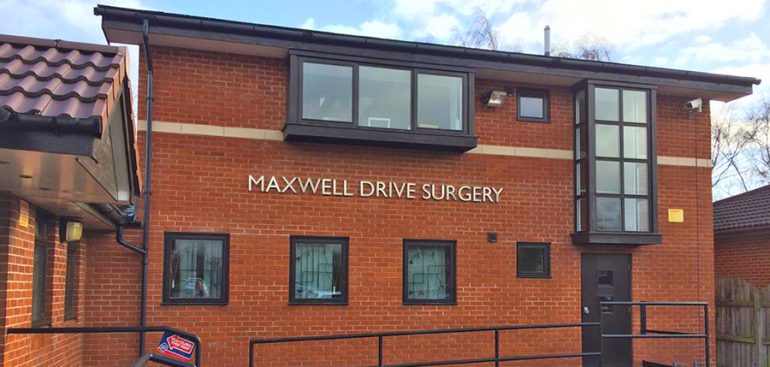
The owners at Maxwell Drive Surgery in Loughborough required a Market Valuation for their GP practice due to a property-owning partner wishing to sell their share. As a long-term client of GP Surveyors Mr Singh, one of the owners, got in touch.
“GP Surveyors have always been our go-to team whenever we have needed advice on market valuation, notional and pharmacy rent negotiations.”
On this occasion, Mr Singh spoke with Laura Dews, one of GP Surveyors’ experienced Client Managers. On the call, Laura comprehensively explained the GP Surveyors Market Valuation service to Mr Singh and sent over a service letter for the partners to review. Once all the partners were happy with the service and fees, they duly instructed GP Surveyors.
Laura then arranged for Dave Smith, one of the firm’s highly experienced primary care surveying team, to visit the property. Dave undertook a ‘Red Book’ Royal Institution of Chartered Surveyors (RICS) Valuation. This is an extensive survey of the practice, including detailed measurements, drawing up of a floor plan and photo documenting the entire interior and exterior of the property. This inspection method is globally recognised and adheres to RICS standards, ensuring accuracy and reliability.
Once Dave completed the survey, he compiled a detailed report outlining the practice’s value and his reasoning and evidence to support this valuation.
The owners of Maxwell Drive Surgery were incredibly pleased with the service provided by Dave and Laura. The detailed report and professionalism exhibited by the team were commendable. Mr Singh expressed his gratitude, stating:
“Thank you very much for the recent Market Valuation of our surgery as one of the property-owning partners wanted to sell his share. Dave Smith and Laura Dews were very professional throughout and kept us informed at every stage of the process.”
Before proceeding with the disposal or acquisition of any GP practice premise, it is of paramount importance to obtain a current Market Valuation. It is crucial to instruct a specialist primary care surveyor to undertake this work since the valuation criteria for a GP practice differ from those of general commercial properties.
Typically, a healthcare surveyor will base the valuation on the practice’s rental income, such as Notional Rent. To ensure accuracy, it is vital for the surveyor to have access to comparative data on rental incomes of similar GP practices in the locality. Experienced healthcare surveyors will possess an extensive range of recent comparative data, which is vital in generating an accurate Market Valuation.
Should you require a market valuation for your GP surgery or have additional inquiries, please do not hesitate to contact the GP Surveyors team.
Should you wish for GP Surveyors to undertake a market valuation for your establishment or if you’re seeking further information, please contact our friendly team today.
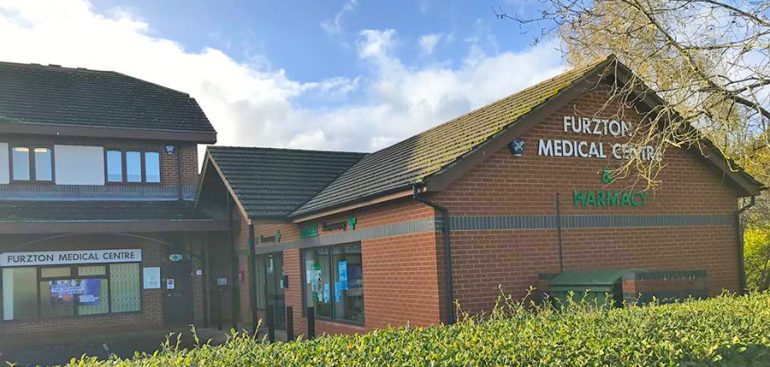
Ms Patel, the Landlord of Furzton Surgery located in Milton Keynes, was in need of a Market Valuation for the practice. The primary reason for the valuation was accountancy purposes. After extensively researching healthcare surveyors, Ms Patel reached out to the GP Surveyors via phone. Paul Hardman, one of our dedicated specialist Client Managers, promptly addressed her enquiry.
Paul introduced Ms Patel to the nuances of our Market Valuation service. Following their discussion, a detailed service letter was dispatched to Ms Patel, laying out the service specifics and associated fees. After carefully reviewing the letter and benchmarking against other providers, Ms Patel decided to instruct GP Surveyors. Laura swiftly coordinated with Dave Smith, one of our seasoned valuation surveyors, to begin the valuation.
Dave meticulously gathered all pertinent details about the property and drew up Ms Patel’s terms of engagement to detail the exact basis of the valuation of Furzton Surgery. Subsequently, Dave conducted an on-site assessment at the premises, performing a comprehensive ‘Red Book’ valuation as per the standards of the Royal Institute of Chartered Surveyors (RICS). Utilising GP Surveyors’ expansive database of GP property valuation evidence, combined with his vast expertise, Dave crafted a comprehensive Market Valuation report. This report detailing the value of the property and his reasoning.
Throughout the process, Dave’s commitment to timely delivery was evident, ensuring Ms Patel could move forward as intended.
Ms Patel commented:
“I am very happy with our valuation of Furzton Surgery carried out by GP Surveyors´ David Smith. David and Paul Hardman (Client Manager) are very helpful, promptly answering every query about my valuation. When I have other valuations due, I am definitely going to use GP Surveyors. I am very impressed with your services and compatibility.”
It’s wise to secure a recent Market Valuation when considering the acquisition or sale of a primary care facility. Engaging expert primary care surveyors is crucial for such evaluations, given that the valuation criteria for a GP surgery diverge from typical commercial properties. Usually, a healthcare surveyor would assign value to a practice based on factors like rental income, for instance, Notional Rent. Having access to similar GP practice rental income in the vicinity of the subject property is paramount to a surveyor in order to produce an accurate Market Valuation. Seasoned healthcare surveyors, equipped with a wealth of current comparative data, are best positioned to deliver a reliable Market Valuation.
Should you wish for GP Surveyors to undertake a market valuation for your establishment or if you’re seeking further information, please contact our friendly team today.

The partners at Hawkhill Medical Centre in Dundee found themselves in need of a Market Valuation for their GP practice due to imminent changes in the partnership. Of the seven partners that made up the practice, two were preparing to depart. The responsibility of finding a suitable surveyor for the valuation fell on Jacqueline Cadger, the Practice Manager.
After conducting a thorough search of healthcare surveyors, Jacqueline called GP Surveyors. Laura Dews, one of GP Surveyors’ experienced Client Managers answered. On the call, Laura comprehensively explained the GP Surveyors Market Valuation service to Jacqueline and provided a service letter for the partners to review. Once the partners were acquainted with the service and what GP Surveyors had to offer, they gave the green light.
Laura then arranged for Dave Smith, one of GP Surveyors specialist primary care surveys, to visit the property. Dave conducted an extensive survey on the practice, employing a methodology referred to as the ‘Red Book’ Royal Institution of Chartered Surveyors (RICS) Valuation. This method is recognized globally and adheres to RICS standards, ensuring accuracy and reliability.
Upon completion of the survey, Dave compiled a detailed report outlining the practice’s value and his reasoning and evidence to support this valuation.
The partners at Hawkhill Medical Centre were thoroughly satisfied with the service provided by GP Surveyors. The detailed report and professionalism exhibited by the team were commendable. Jacqueline expressed her gratitude, stating:
“ The surveyor was very professional in his approach to my questions, and we received our survey report back in the timescale advised. I am new to the position of Practice Manager even though I have worked at the Practice for a vast number of years. This was a new learning curve for me, and GP surveyors made it a very easy one. Thank you for your help.”
Before proceeding with the acquisition or disposal of any primary care premises, it is imperative to secure a current Market Valuation. It’s crucial to commission specialist primary care surveyors for this task since the valuation criteria for a GP surgery differ from that of general commercial properties.
Typically, a healthcare surveyor will base the valuation on the practice’s rental income, such as Notional Rent. To ensure accuracy, it’s vital for the surveyor to have access to comparative data on rental incomes of similar GP practices in the vicinity. Seasoned healthcare surveyors will possess an extensive collection of recent comparative data, which is instrumental in generating a dependable Market Valuation.
We hope that our Dundee GP market valuation case study proves to be a useful resource, you can read more case studies on our specialist market valuation service here.
Should you require a market valuation for your GP surgery or have additional inquiries, please do not hesitate to contact the GP Surveyors team.
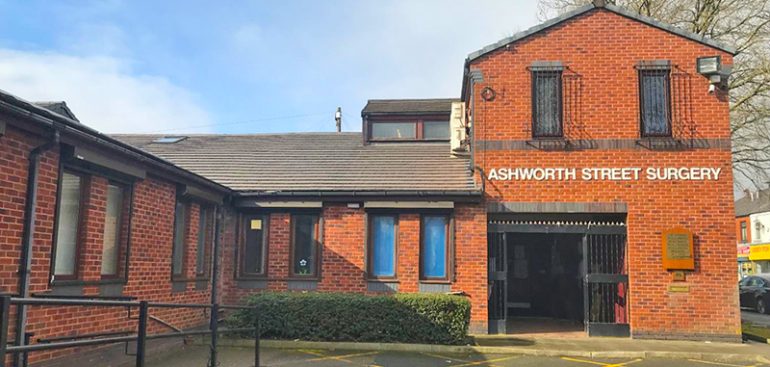
The partners of Ashworth Street Surgery, Lancashire, required a Market Valuation of their GP practice due to an upcoming partnership change. The practice partnership comprised eight partners, with one set to leave the practice. Lisa Mitchell, Practice Manager, was tasked with sourcing a surveyor to undertake the valuation.
Having undertaken her research on healthcare surveyors, Lisa first got in touch with GP Surveyors via our website. The enquiry was picked up by Laura Dews, one of our highly experienced Client Managers who was quick to respond. Laura took Lisa through our Market Valuation service in detail and sent over our service letter for the partners to read. Having discussed the service and GP Surveyors with the partners the practice was happy to proceed. Once instructed Laura organised for one of our specialist valuation surveyors, Dave Smith, to inspect the property.
Dave carried out a full survey of the practice undertaking what is known as a ‘Red Book’ Royal Institute of Chartered Surveyors (RICS) valuation. Drawing upon GP Surveyors’ vast database of comparable GP property evidence and his experience, Dave produced a detailed Market Valuation report for the practice, stipulating the value of the property and his reasoning.
Dave worked diligently to ensure the report was turned around within the required time frame and that all parties were able to proceed as planned.
Lisa Mitchell (Practice Manager), was very pleased with all aspects of our Market Valuation service and contacted us to say:
“Both Dave and Laura are an asset to the whole process from start to finish, excellent. I would definitely recommend GP Surveyors to colleagues.”
GP Surveyors Associate Director, Clare Kersey (MRICS | RICS Registered Valuer) has the following advice with in regard to market valuations:
“Obtaining an up-to-date Market Valuation is essential before any acquisition or disposal of a primary care premises. Instructing specialist primary care surveyors to undertake a Market Valuation is essential, as the basis of valuing a GP surgery differs from the valuation of other commercial premises. A healthcare surveyor would usually value the practice’s property based on the rental income e.g., Notional Rent. Comparable evidence of similar GP practice rental income in the given area is also paramount to a surveyor producing an accurate Market Valuation. Experienced healthcare surveyors should also have access to a substantial amount of up-to-date comparable evidence, which enables them to produce a reliable Market Valuation.”
If you would like GP Surveyors to carry out a market valuation for your GP surgery, or you have any further questions please contact our friendly team today.

With an ever-growing need for GP surgery space, GP Surveyors explain the options to fund premises improvement works and highlight the pitfalls to avoid.
It has been widely reported that many GP practices are struggling in inadequate premises that require improvement or expansion. According to a major survey on practice premises from the British Medical Association (BMA), only half of the practices consider their premises to be fit for present needs. With eight out of ten GPs saying their premises were not fit to meet projected future needs. The majority of the 1,000 practices surveyed highlighted their need for more space.
This need for space is driven by growing list sizes, demand for expanded GP services, and of course the additional staff to deliver these services under the rollout of Primary Care Networks (PCNs). NHS England recently revealed that PCNs have already recruited 9,100 clinical staff under the Additional Roles Reimbursement Scheme (ARRS), representing a third of the 2024 target of 26,000.
Whether a practice is considering extending its premises, improving access for disabled patients, or simply fitting rolled vinyl, the most cost-effective way to fund the works can be complex and confusing.
There are two options available to owner-occupied surgeries looking to fund premises improvement works, NHS-funded and self-funded (including borrowing capital). Often works are funded by a combination of these two options.
When undertaking any improvement works one fundamental principle applies. In order for works to qualify for NHS rent reimbursement written approval from the NHS must be obtained, including confirmation works will be eligible for rent reimbursement.
One of the changes in The NHS (General Medical Services – Premises Costs) Directions 2024 saw Integrated Care Boards (ICBs) being able to award GP improvement grants of up to 100% of the project value, an increase from the previous limit of 66%.
Other changes include, grants being expanded to include the acquisition of land for premise extensions and tenant fitouts of new builds.
The level of funding surgeries are eligible for will depend upon a multitude of factors and respective contributions will need to be discussed with the NHS during the approvals process.
If a practice opts to receive NHS funds towards the cost of building or refurbishment work the surgery’s notional rent will be subject to an abatement. The surgeries notional rent figure will be abated proportionally to the percentage of funding the NHS have contributed toward the works. No matter the percentage of NHS contribution the abatement section of the PCD should be followed.
The 2024 Premises Cost Directions have seen an increase in grant amounts, while the abatement period and guaranteed usage period have been shortened. See the below table for a comparison of grants and abatements under the 2013 Directions verses the 2024 Directions:
| 2013 Directions | 2024 Directions | ||
|---|---|---|---|
| Commissioner contribution 33-66% | Commissioner contribution up to 100% | ||
| Value exc. VAT | Abatement/guaranteed use | Value | Abatement/guaranteed use |
| Up to £100k | 5 years | Up to £144k | 6 years |
| £100 - £250k | 10 years | £144k - £360k | 9 years |
| Over £250k | 15 years | £360k - £660k | 12 years |
| £660k - £1.2m | 15 years | ||
| Over £1.2m | 18 years | ||
For further information on notional rent abatements please read our abatement guide.
Providing the practice has not signed up to an alternative agreement (waiving the rights to receive rental uplift on works), the practices abated rent is still eligible for checking and challenge. Ask a specialist primary care surveyor to check the figures to ensure the surgery isn’t underfunded.
If the surgery has or can borrow the capital to fully fund an extension or refurbishment works, it is still imperative that NHS approval is obtained before undertaking any works. Gaining the NHS’s approval will ensure any works to the practice will be eligible for notional rent reimbursements.
Working out the most cost-effective way to fund GP premises improvement works over the lifetime of a notional rent abatement or a loan can be complex. Calculating the increase that improvement works will have on notional rent and the capital value of the surgery is a specialist area. If a practice is planning improvements it is advisable to seek valuation advice from a specialist primary care surveyor.
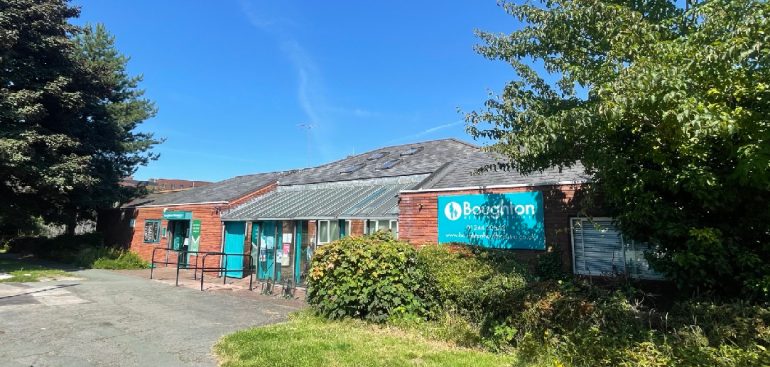
Lease available upon request.
The sale of this Cheshire health centre offers a fantastic investment opportunity.
GP Practice
• Initial rent: £133,200 per annum
• Patient list size: 13,135
• FTE GPs: 6.875
• Lease: Tenants internal repair lease (TIR)
– Term: 15 years from completion date
– Rent reviews: every 3 years
Pharmacy
• Initial rent: £46,904 per annum
• Lease: Tenants internal repair lease (TIR)
– Term: 15 years from June 2017
– RPI Rent Reviews
Car Parking
• Spaces: 28
• Income: £16,086 pa (2023)
• This additional car parking that is not reimbursed by NHS and is charged at £1 a space
(charges not applicable for disabled car parking)
• Contract term: 15 years, to run parallel with lease. Income to be payable to landlord.
• GP Practice floor area: 832 sqm
• Pharmacy floor area: 27 sqm
• Car parking spaces: 34 (receive NHS reimbursement) 28 additional spaces (private contract)
• The building was initially built in 1977 and substantially extended and completely refurbished in 1992.
Boughton Health Centre is located close to Chester city centre, the surgery is a two-story building constructed of brick and tile. This large purpose-built medical centre has a total floor area of 859 square metres, including the Pharmacy. The building was initially built in 1977 and substantially extended and completely refurbished in 1992.
On entering the practice there is a conservatory and seating area to the right of the entrance, to the left is the Pharmacy entrance and straight ahead is the main practice entrance. Patients enter the practice via a lobby into the reception area and a bright spacious waiting area. All the patient facilities are based on the ground floor. This spacious modern practice includes 18 consultancy rooms, five offices, four toilets and ample storage space with six stores throughout the building.
You can access the first floor via an internal staircase which is situated in the centre of the property. The floor consists of a staff room, kitchen, and toilet.
Click the floorplan to enlarge.


Please note GP Surveyors Anti-Money Laundering Policy for Clients and Purchasers.
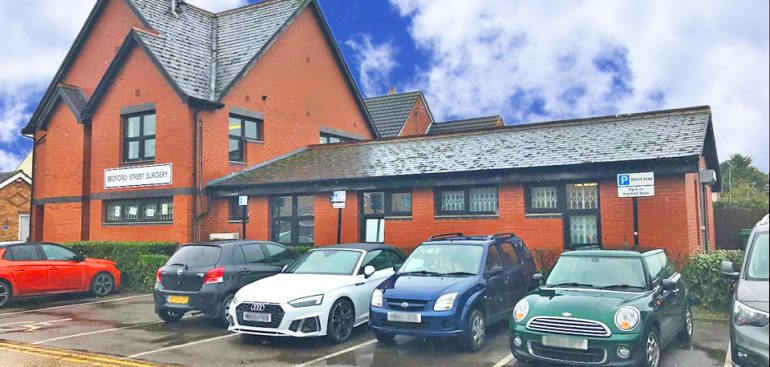
The landlord of Bedford Street Surgery in Milton Keynes, Mr Patel, required a market valuation for asset management purposes. Having previously engaged GP Surveyors for two rent reviews, Mr Patel contacted them again.
On this occasion, Mr Patel spoke with Kelly Cooke, an experienced Business Development Manager at GP Surveyors. During the call, Kelly thoroughly explained the GP Surveyors Market Valuation service and provided terms of engagement for Mr Patel’s valuation. After considering the service and associated fees, Mr Patel instructed GP Surveyors to proceed.
Kelly then arranged for Dave Smith, a highly experienced member of the primary care surveying team, to visit the property. Dave conducted a ‘Red Book’ Royal Institution of Chartered Surveyors (RICS) Valuation, a comprehensive survey that includes detailed measurements, the creation of a floor plan, and photographic documentation of the property’s interior and exterior. This globally recognized inspection method adheres to RICS standards, ensuring accuracy and reliability.
Upon completing the survey, Dave compiled a detailed report outlining the practice’s value, along with his reasoning and supporting evidence.
Mr Patel was highly satisfied with the service provided by Dave and Kelly, expressing his gratitude by stating:
“We are extremely happy with our Market Valuation report. GP Surveyors are always very helpful with their valuation and rent review services. Excellent services provided by the GP Surveyors team.”
Whether you need a market valuation for asset management purposes, accountancy or partnership change, it is essential to obtain a current valuation before proceeding with a market valuation of a primary care property. Engaging a specialist primary care surveyor is crucial, as the valuation criteria for a GP practice differ from those of general commercial properties.
If you would like GP Surveyors to carry out a market valuation for your GP practice, or you have any further questions please contact our friendly team today.
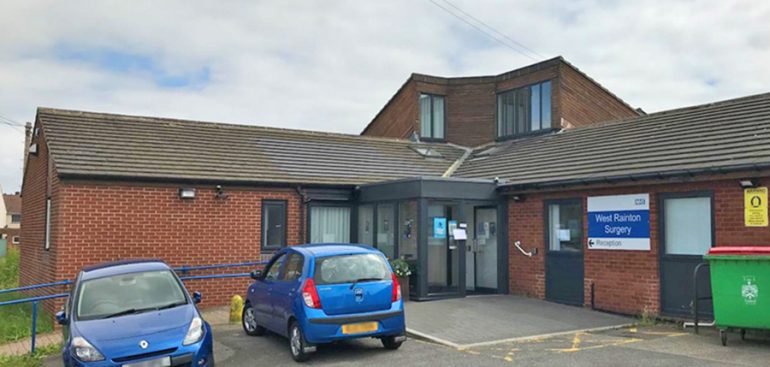
Upon completion of the practice’s Improvement works, the Finance Manager of West Rainton Surgery requested a re-assessment of their notional rent.
The surgery has instructed GP Surveyors to undertake their notional rent reviews since 2008. So, having received the latest CMR6 form, the Finance Manager once again contacted GP Surveyors and asked them to review the revised payments.
GP Surveyors specialise in reviewing rent payments for practices like West Rainton and ensuring that they receive fair payments for their services. With the ever-increasing costs of running a practice, it’s essential that rent payments keep up. These negotiations require a specialist primary care surveyor with access to a wealth of comparable valuations evidence to negotiate with the NHS’s representatives, the District Valuers.
On this occasion, the surveyor allocated to this case was Dave Smith, who duly set to work.
In West Rainton Surgery’s case, there were several factors that needed to be addressed during the review. The first was an increase in eligible floor area. Despite initially facing a lot of resistance from the District Valuer, Dave persisted and managed to secure an area increase of 4.32%.
The second point of contention was the unit rate, which hadn’t been increased for the areas of the surgery that had been improved. The District Valuer had not offered any increase to these areas, but Dave managed to negotiate an increase of 6.42%. With these two wins under his belt, Dave moved on to the car parking and was feeling optimistic about the overall outcome of the negotiations.
The final issue that Dave had to deal with was the parking rate. This was another factor that the district valuer had attempted to offer an unfavourable rate for, but Dave managed to increase the rate by an impressive 15.56% from the original offer. This was a great victory for the practice, and it would have a considerable impact on their overall rent payment.
Thanks to the tireless efforts of Dave Smith, the practice was finally receiving a fair notional rent compared to other local practices. Each individual increase may seem small, but when you add them all together, the results were significant for the practice’s finances. They can now rest easy knowing that the practice is getting what is fair and that the practice can continue to provide high-quality care to its patients without the added stress of unfair rent payment.
“I just wanted to formally record my thanks for all your efforts with this Notional Rent case. I thank you for your perseverance in achieving such a very good outcome.”
West Rainton Surgery, Finance Manager.
We hope you have found our Tyne & Wear GP practices Notional Rent case useful, see practices case studies from your area here.
If you would like GP Surveyors to carry out a Notional Rent review for your practice, or you have any further questions please contact our team today.